May 2026 Rising Researchers Newsletter
Summer 2026 Preview –
What’s Coming This Month
📅 Mark Your Calendars – Upcoming Testing Dates & Summer Camp Details
🔬 Rising Researchers Camps
🎙 Summer Camp Instructor Spotlight – Meet Dr. Ryan
🔎 Getting Started with Research (Even Without Connections!)
🏅 Contests & Competitions – STEM Events for High School Students
🏅 Competitions That Actually Move the Needle (And How to Choose Them Wisely)
🌐 Internships – STEM Internships for High School Students
📷 Publications – The Latest Editions of the Journal of Scientific Research Writing
Mark Your Calendar!
✅ May 4 – 8 & May 11-15: AP Exams!
✅ May 8: June ACT – Registration Deadline
✅ May 22: June SAT – Registration Deadline
✅ June 1, 2026: Register by June 1 to save $200 on Rising Researchers Summer Camps. But don’t wait that long as spots fill up.
✅ June 5: July ACT – Registration Deadline

Registration is Filling Quickly – Don’t Miss Out!
Summer break is almost here—and while others hit pause, it’s your chance to move forward. Use this time strategically to build your research experience and work toward a publication that sets your application apart.
Join one of our Summer 2026 Research Camps:
Camp 1: Searching for Life in the Universe: The Intersection of Astronomy & Biology, led by Dr. Ryan.
 Schedule: Every Tuesday and Friday (6/30/26 – 7/31/26) from 7:00p – 8:30p ET / 4:00p – 5:30p PT
Why You Will Love This Camp:
This camp brings astrobiology and space science to life by immersing students in the most compelling questions scientists are exploring today. Students will learn how exoplanets are discovered and examine statistical patterns that reveal their existence. They will explore the three essential criteria for life and apply that knowledge to evaluate the most promising places to search for life within our solar system and beyond.
Students gain authentic research and scientific writing experience. They will learn how to develop a compelling research question, locate and analyze scholarly literature, and understand the critical difference between objectively reporting results and interpreting scientific findings.
This course is tailored to accommodate various skill levels and is suitable for beginners.
View the syllabus
Camp 2: Cardiovascular Health – The Medical and Social Factors Behind Disease, led by Loren B..
Schedule: Every Monday & Thursday (7/6/26 – 8/6/26) from 7:00p – 8:30p ET/ 4:00p – 5:30p PT
Why You Will Love This Camp:
This camp introduces students to the social determinants of health, including socioeconomic status and environment, and their impact on cardiovascular disease. Students will review the anatomy and physiology of the heart and apply cardiology knowledge to real-world case study scenarios. They will explore common cardiology pathologies, learn to interpret clinical data and findings, and gain experience performing literature reviews. By combining medical knowledge with public health perspectives, students develop critical thinking skills and a deeper understanding of how social factors influence heart health.
This course is tailored to accommodate various skill levels and is suitable for beginners.
View the syllabus
Camp 3: Bioinformatics Research: Biology Meets No-Code AI and ML Programming. Select a focus in either Medicine, Microbiology, or Plants for Beginners, led by Dr. Jedy.
Schedule: Every Monday & Thursday (7/20/26 – 8/20/26) from 7:00p – 8:30p ET/ 4:00p – 5:30p PT
Why You Will Love This Camp:
Bioinformatics Research: Biology Meets No-Code AI and ML Programming introduces you to the fast-growing field where biology and artificial intelligence intersect. You’ll use intuitive, no-code tools to analyze biological data while learning how machine learning drives discoveries in healthcare, microbiology, and plant science. Choose a focus area in Medicine, Microbiology, or Plants for beginners to tailor the experience to your interests. By the end of the camp, you’ll understand how computational tools are transforming modern biology, and you’ll have hands-on experience applying them yourself.
This course is tailored to accommodate various skill levels and is suitable for beginners.
View the syllabus
 Camp Investment: $3500 (Early Bird Discount: Register by June 1 to save $200)
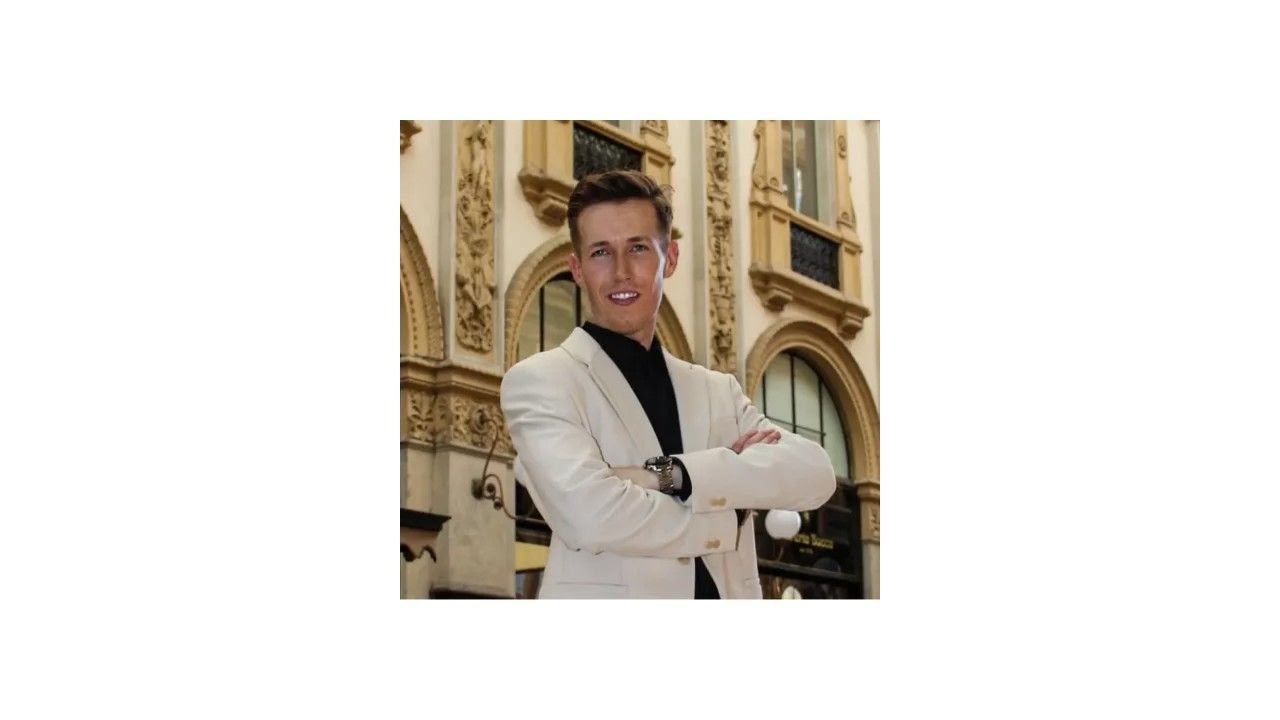
Summer Camp Instructor Spotlight: Meet Dr. Ryan
Dr. Ryan supports the research students he mentors through cutting-edge active learning methodologies. Ryan’s students learn how to utilize up-and-coming AI tools, like Google Colab, to write powerful Python code without previous programming experience. Students can choose between analyzing publicly available datasets or conducting their own literature review. These skills are useful for medical practitioners, a wide variety of scientific fields, and beyond!
Research Focus:
- Black Holes, Supernovae, Cosmic Rays
- Galaxy Formation & Evolution
- Computational Fluid Dynamics, (Magneto) hydrodynamics
- AI/ML & Quantum Computing
- Encryption & Cybersecurity
Getting Started with Research
(Even Without Connections!)
For many students, “doing research” feels like something reserved for college or beyond, or only for those with the right connections. In reality, research is an accessible and impactful way to explore your interests, build credibility, and stand out in competitive admissions. The key is knowing how to start.
First, understand that research doesn’t have to begin in a lab. At its core, research is about asking questions and systematically exploring them. That could mean analyzing public health data, conducting a literature review on CRISPR ethics, or building a small machine learning model using open datasets. Starting independently is often the fastest way to build momentum and confidence.
Don’t shy away from paid experiences, structured programs, or camps—they can be just as valuable as traditional opportunities. The focus shouldn’t be on whether something is free or paid, but on what you gain from it. Prioritize experiences that offer clear, tangible outcomes you can showcase, like research projects, presentations, or publications. Colleges aren’t evaluating the cost—they’re looking at what you did, what you learned, and how you grew.
Once you’re involved, focus on depth. Admissions officers aren’t looking for students who “tried research once,” they’re looking for students who engaged deeply with a problem over time. That might mean continuing a project across multiple months, refining your methodology, or even presenting your findings at a local or national competition.
Finally, don’t overlook ways to share and showcase your work. Your résumé, LinkedIn, or even a simple portfolio can highlight your projects, experiences, and impact. The goal isn’t just to have results, it’s to clearly communicate what you’ve done and what you’ve learned. More importantly, these experiences should reflect your curiosity, resilience, and ability to think critically.
Research isn’t about having all the answers. It’s about being willing to ask better questions and following them further than most.
Listen to summer camp instructor, Loren, as she describes – Why Research Changes Everything.
STEM Competitions for High School
Students: Upcoming Deadlines
Summer 2026
May 9–15: Regeneron International Science and Engineering Fair (ISEF) — Global STEM research competition (Phoenix, AZ, USA)
May 15: Future Health Professionals [HOSA]
May 22: Science Olympiad [STEM]
May 30: American Regions Mathematics League (ARML) — Team math competition (Various/USA)
June 23: Mate Rov Competition [STEM]
June 24-27: National STEM Festival – US Edition
STEM Internships for High School
Students: Upcoming Deadlines
May 22: NASA OSTEM Internships (Science, Technology, Aeronautics, and Space)
Competitions That Move the Needle
(And How to Choose Them Wisely)
With so many STEM competitions available, it’s easy to fall into the trap of doing everything from local contests to national Olympiads without a clear strategy. But not all competitions carry the same weight, and more importantly, not all are aligned with your goals.
At the highest level, competitions like Regeneron Science Talent Search (STS), ISEF (International Science and Engineering Fair), and national Olympiads (USABO, USACO, USNCO, etc.) are widely recognized for their rigor and selectivity. Success in these arenas signals not just participation, but mastery, initiative, and the ability to perform at a national or international level.
That said, impact isn’t limited to the most prestigious names. Competitions like HOSA (for future health professionals), Science Olympiad, and local research fairs can also be incredibly valuable, especially when used as stepping stones. They provide structure, deadlines, and opportunities to test your skills in real-world scenarios.
The key is intentionality. Instead of spreading yourself thin across multiple competitions, choose 1–2 that align closely with your interests and commit to them over time. Depth of involvement, progressing from participant to finalist, or from member to leader, often matters more than a long list of one-off experiences.
It’s also important to understand what competitions reveal about you. Olympiads highlight raw academic ability and problem-solving under pressure. Research competitions showcase creativity, persistence, and intellectual curiosity. Team-based competitions emphasize collaboration and leadership. The strongest applicants often demonstrate strength in one area while showing competency across others.
Finally, avoid the “resume padding” mindset. Admissions readers can tell when activities are chosen for optics rather than genuine interest. The most compelling students aren’t those who did the most, they’re the ones who pursued something deeply enough to make an impact.
Choose wisely, commit fully, and let your work speak for itself.
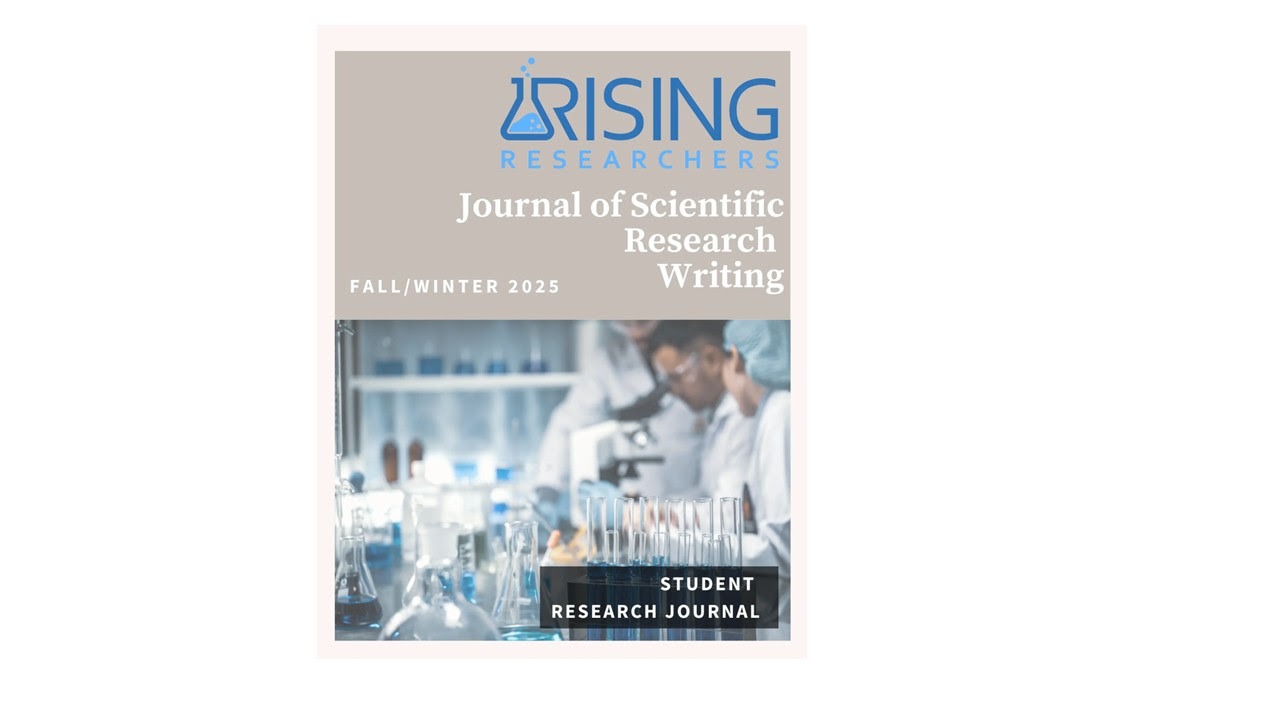
Our Students Are Showcasing Their
Work Through a Publication
The Journal of Scientific Research Writing highlights students who participated in the Rising Researchers research-intensive. Each student will receive a unique URL for their indexed research report. This ensures easy access, enhances visibility, and allows their work to be shared and cited within the academic community.
Click here to read more about research conducted by students in the Winter 2025 camp as well as prior camps.